


Darryl “DMC” McDaniels Thoughts on the Music Comeback: A Raw Story

Darryl “DMC” McDaniels: The Depression, Alcohol, and Battle Behind the Run-DMC Comeback
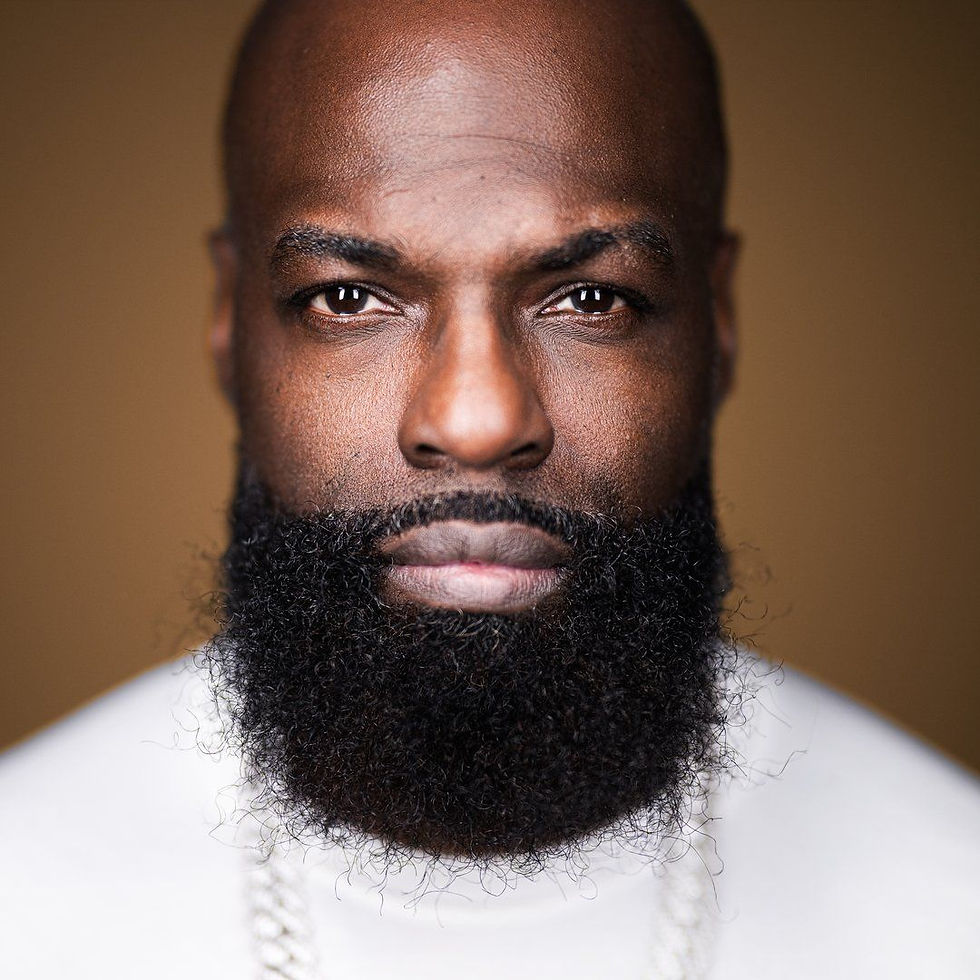
For generations of hip-hop fans, particularly those who grew up around New York City, Darryl “DMC” McDaniels is one of the unmistakable voices of Run-DMC. Alongside Joseph “Run” Simmons and Jason “Jam Master Jay” Mizell, McDaniels helped establish the sound and attitude of New York hip-hop. But behind the legendary tracks and worldwide fame was a deeply troubled man fighting a battle that few people around him understood.
In the video featured with this article, McDaniels reflects on one of the most complicated periods of his life. Run-DMC had experienced a period when they were no longer dominating radio and MTV, while a new generation led by artists such as Tupac Shakur and The Notorious B.I.G. was changing the sound and culture of hip-hop.
Then came Down With the King in 1993. The album, its title track, and the group’s return to touring brought Run-DMC back into the spotlight. For fans, it looked like a triumphant comeback. For McDaniels, however, something much darker was happening beneath the surface.
McDaniels has spoken openly about using alcohol and drugs to escape feelings he could not understand or control. In later interviews, he described drinking heavily and using substances as a form of self-medication. What began as an attempt to numb anxiety and emotional pain eventually became addiction. He has said that alcohol became a way of dealing with pressures he did not know how to confront.
The success of Run-DMC did not make those feelings disappear. In fact, McDaniels has described an enormous emotional void developing inside him. Depression, anxiety, isolation, and unresolved questions about his identity gradually became impossible to suppress. Around the period of the Down With the King comeback, he has recalled waking up and thinking that he no longer wanted to live.
His struggle later became even more severe. His memoir describes a period of suicidal depression in 1997, when alcohol could no longer numb the pain. He eventually sought treatment and entered rehabilitation in 2004, beginning a long journey toward sobriety and recovery.
That is what makes McDaniels’ story so much more than a chapter in hip-hop history. Behind the microphone was a man who was hurting while millions believed he had everything.
Today, DMC speaks openly about addiction and mental health because he knows how dangerous silence can become. His story is a reminder that fame, success, and respect cannot protect someone from depression, and that asking for help can be an act of strength.


Feel free to comment! 😀