


MC Shan: My Unspoken Hollywood Stories

MC Shan, Drugs, Secrets, and the Dark Side of New York Hip-Hop
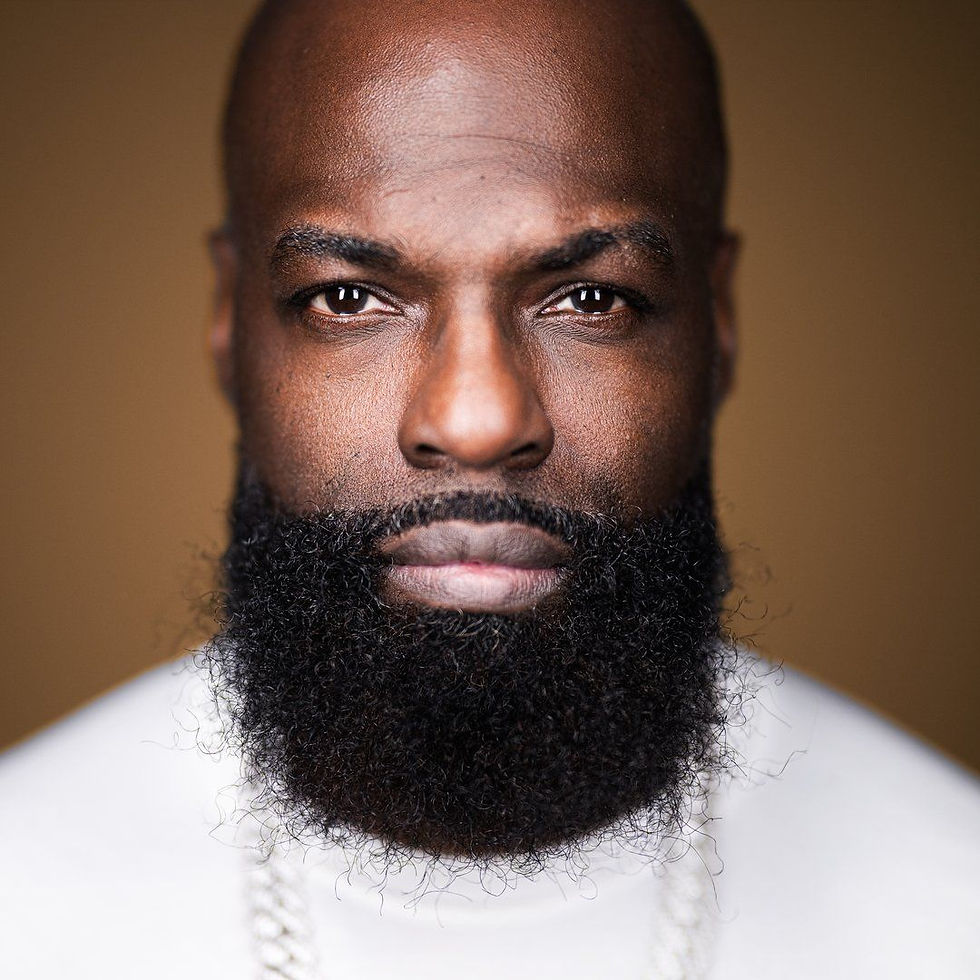
For anyone who grew up around New York hip-hop, the name MC Shan carries a particular weight. Born Shawn Moltke in Queens, Shan became one of the early members of the Juice Crew and one of the voices associated with Queensbridge during hip-hop’s formative years.
His 1986 record “The Bridge” helped put Queensbridge firmly on the hip-hop map and became part of the legendary Bridge Wars with Boogie Down Productions.
But there is another side of MC Shan’s story, one that goes far beyond records, battles, and old-school hip-hop history.
Shan has spoken openly about his experiences with drugs during New York’s crack era. In interviews, he has described using cocaine and marijuana and has been unusually direct about the drug culture surrounding the music industry at the time. His song “Cocaine” was based on his own experiences with getting high, something he discussed openly years later. In one interview, Shan described himself as a heavy cocaine user, while also insisting that he was never addicted and never went to rehab.
His life also crossed paths with the legal system. In 2005, Shan was arrested at his home in Central Islip, New York, on charges including criminal possession of a weapon, endangering the welfare of a child, and criminal possession of marijuana.
Yet perhaps the most intriguing part of Shan’s story is his relationship with other major figures in hip-hop. His world included Juice Crew legends such as Marley Marl, Roxanne Shanté, Kool G Rap and Big Daddy Kane, while his career also brought him into contact with artists including LL Cool J, Rakim and Snow. He has shared behind-the-scenes stories about recording sessions, rivalries, drugs, and the personalities who shaped New York rap.
That brings us to the video featured in this article.
In the video presented in this article, MC Shan reflects on sitting with some of the most respected people in the music business and hearing their darkest personal stories. He describes people consuming drugs together and trusting him with information they apparently did not want made public. For Shan, that trust is a form of honor. Their stories, he says, remain untold because of a quiet promise he has chosen to keep.
It is a revealing glimpse into the culture behind the music, the friendships, drug use, secrets, and complicated relationships that existed away from the microphones.
And when MC Shan says he has already “laid his cards on the table,” he makes one thing clear: he has lived enough of hip-hop’s darker history to know that some stories are better left in the room where they were told.


Feel free to comment! 😀