


The Myth of Self-Improvement: You Are Not Broken
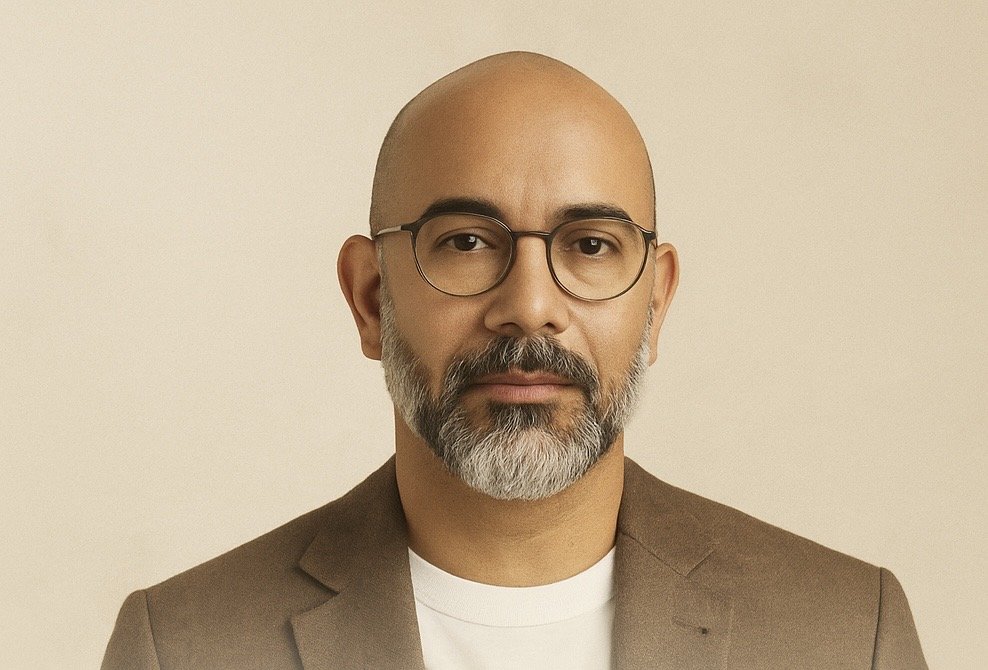
By Dr. Wil Rodríguez
“What if you don’t need to improve—but to remember who you truly are?”
The Obsession with “Better”
We live in a world that thrives on the illusion of deficiency. Every ad, book, podcast, and self-help seminar subtly (or blatantly) reinforces the same message:
“You’re not enough—yet.”
So we hustle. We grind. We chase the elusive “better version of ourselves.”
We measure worth in goals reached, habits formed, and flaws corrected.
But here’s a radical truth:
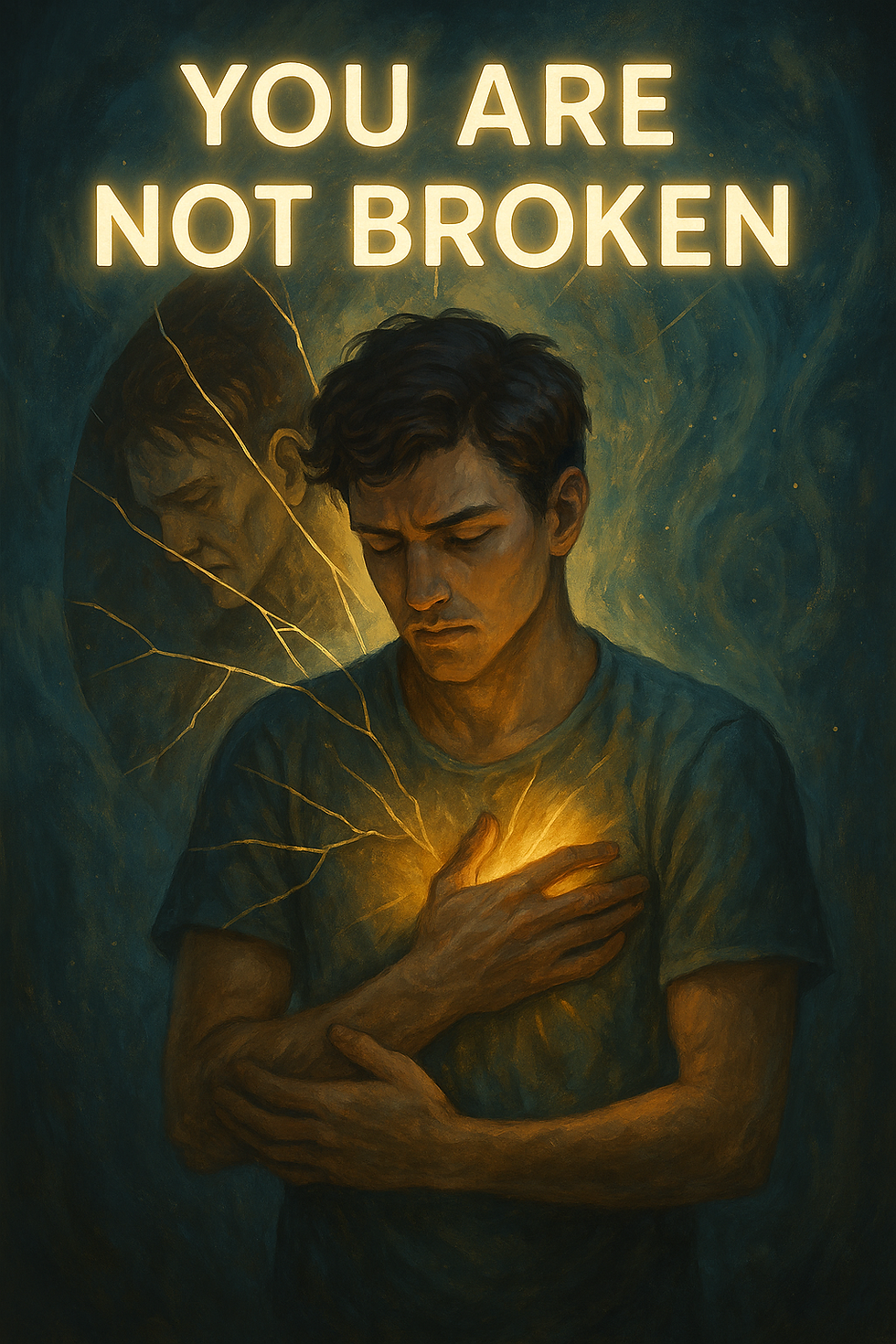
You are not broken. And self-improvement is not your salvation.
Where the Myth Began
From early on, we’re conditioned to associate value with performance.
A child is praised when they obey, not when they express.
A teen is accepted when they succeed, not when they struggle.
An adult is respected when they produce, not when they pause.
Layer by layer, the world teaches us:
“If you want love, approval, or peace, you must earn it by becoming more, doing more, fixing more.”
This is not empowerment. It’s quiet shame dressed as motivation.
The Trap of Eternal Fixing
Self-help culture can become a treadmill: you’re running constantly but never arriving.
You read the books.
You follow the routines.
You track your thoughts and count your blessings—and still feel unworthy.
Why?
Because no amount of external tweaking can heal an internal lie:
That you are flawed.
That you must be fixed.
That you are conditionally lovable.
You’re Not a Project—You’re a Person
Your soul is not a productivity plan.
Your healing is not a spreadsheet.
You are not a machine in need of upgrades.
You are not here to be optimized—you are here to be seen, felt, known.
Yes, there’s always room to grow. But growth that emerges from rejection of the self is not growth—it’s self-abandonment.
Real transformation begins when you realize:
“I don’t need to improve—I need to return to myself.”
Self-Acceptance Is Power, Not Passivity
Some fear that accepting themselves means becoming stagnant.
But acceptance is not stagnation. It’s the soil of authentic evolution.
When you accept yourself:
You no longer grow out of guilt.
You change because you love yourself, not because you loathe yourself.
You act from clarity, not from compensation.
Self-acceptance doesn’t stop change—it makes change sustainable and meaningful.
Reclaiming Wholeness
There’s a wholeness in you that never disappeared—it just got covered in labels, wounds, and noise.
So instead of asking:
“How can I improve?”
Try asking:
“What part of me have I forgotten?”
“What lie about myself have I mistaken for truth?”
True healing isn’t about building a better self.
It’s about remembering the self you were before you believed you were not enough.
Redefining Growth
Let’s stop treating growth as a staircase we must climb.
True inner growth is about:
Integration – welcoming every part of you to the table.
Compassion – holding your pain without judgment.
Presence – showing up for your now, instead of chasing a future you’ll never catch.
You don’t need fixing. You need homecoming.
Final Words
You were never broken.
You were misled into believing you were.
The pieces of you are not shattered—they’re scattered, waiting to be gathered by the one person who can: you.
Stop chasing the myth.
Start claiming the truth.
Closing Quote
“You don’t need a better version of yourself. You need a truer relationship with who you already are.”
— Dr. Wil Rodríguez
Keywords (SEO)
self-improvement myth
emotional healing
self-acceptance
you are not broken
inner truth
personal transformation
self-worth
Dr. Wil Rodríguez
Hashtags




Feeling broken is such a recurrent feeling. Thanks for helping me reflect.