


Redesigning the Future: How Leadership-Based Learning Is Reshaping Education from Within
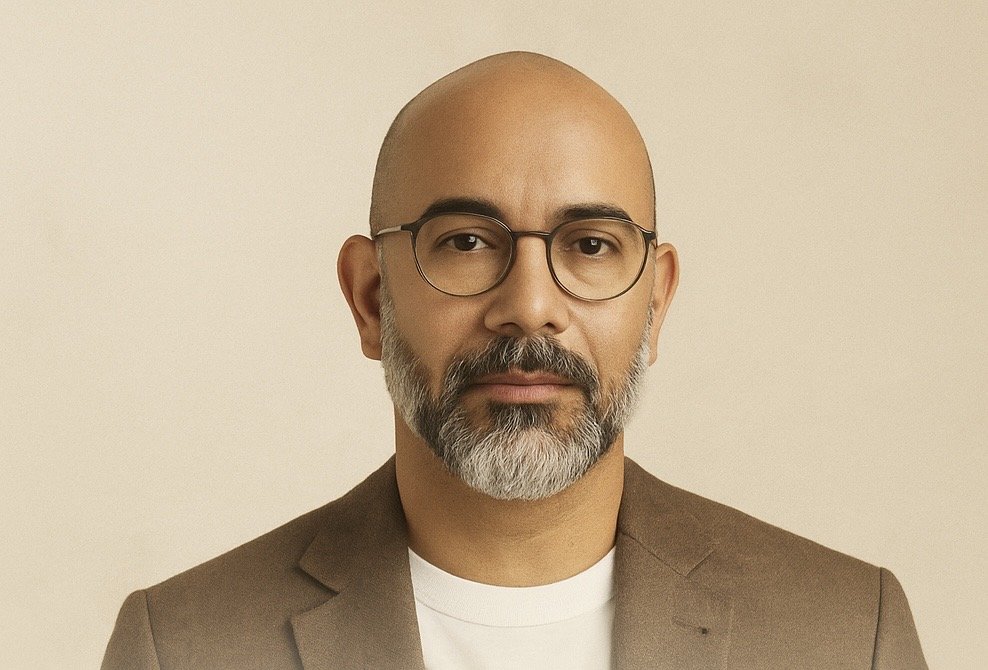
By Dr. Will Rodríguez
(Excerpted from the book Leadership-Based Learning: Transforming Education for the Future by Dr. Will Rodríguez & Dr. José Bertran)

Education Is No Longer Enough
We stand at a moment of reckoning. The world has never been more connected, yet students have never been more disoriented about their place within it. They are taught equations but not ethical responsibility; they memorize history but are rarely encouraged to lead history-making efforts. In classrooms worldwide, students move through lessons without ever stepping into the full agency of who they can become. And that is precisely what Leadership-Based Learning (LBL) seeks to change—not just the what of education, but the who.
Education, as we have known it, has done its job. It produced generations capable of complying, calculating, repeating. But now the world demands creators, collaborators, problem-solvers, and above all—leaders. That transition cannot be incidental. It must be intentional. It must be systemic. And it must begin inside the curriculum, not outside of it.
This is the central proposition of Leadership-Based Learning: that leadership is not a peripheral skill, but a core outcome of education itself.
What Is Leadership-Based Learning?
Leadership-Based Learning (LBL) is not a pedagogical trend. It is a reframing of the educational mission. At its essence, LBL integrates the development of leadership qualities—ethics, empathy, decision-making, communication, and responsibility—into the structure and content of academic instruction.
Rather than treating leadership as an extracurricular or post-graduation aspiration, LBL makes it a living part of every classroom, every subject, every learner. It’s not just about creating better students—it’s about forming future-ready citizens with the courage and character to act, lead, and transform.
From Compliance to Competence
LBL redefines students as co-creators of knowledge. It immerses them in real-world scenarios where leadership is practiced, not just studied. In math, they manage budgets. In science, they lead labs. In literature, they mediate dialogue. In social studies, they shape policy. Every subject becomes a leadership lab.
Students are no longer passive recipients—they are active designers of their own development.
Educators as Leadership Architects
LBL calls on educators to transcend the role of content deliverers and become architects of leadership. Teachers become mentors. Classrooms become ecosystems. The content is still there—but its purpose is elevated: to form not just minds, but minds that move people, that solve, that serve.
Professional development for teachers must reflect this shift. And school leadership must champion it.
Reassessing the Purpose of Assessment
What if a grade reflected not only how much a student knows, but how much they’ve grown? In LBL, assessment tools go beyond exams. They include peer evaluations, reflective journals, leadership portfolios, and ethical dilemmas. We begin to assess what truly matters: character, initiative, integrity.
Leadership is not a future outcome—it’s a present practice.
A Social and Global Imperative
In the 21st century, leadership is not optional. It’s the very skill that determines whether societies survive disruption or collapse under it. LBL prepares students to lead not just projects, but people. To serve not only themselves, but their communities—and the planet.
Through service learning, global exchange, civic engagement, and dialogue across difference, students become not only informed—but empowered.
The Blueprint for Implementation
LBL is not implemented by proclamation. It is built through careful, cultural shifts:
Embed leadership outcomes into curriculum design.
Reframe teacher roles from instructor to mentor.
Align assessments with leadership growth.
Create school cultures that reward initiative, ethics, and responsibility.
Build partnerships with the community for real-life leadership labs.
Change begins with a single integrated lesson—and grows into a systemic transformation.
The LBL Proposition
Leadership-Based Learning doesn’t negate other educational strategies; it elevates them. It adds intentionality. It creates the conditions where students don’t just graduate—but emerge. With clarity. With compassion. With courage.
Authorship & Origin
This article is excerpted and adapted from the book
Leadership-Based Learning: Transforming Education for the Future,
co-authored by Dr. Will Rodríguez and Dr. José Bertran,
a pioneering educational manifesto redefining the future of learning through the intentional cultivation of leadership in every classroom, subject, and community.
Dr. Will Rodríguez is a scholar-practitioner with decades of experience in leadership education and organizational transformation. This article reflects his deep commitment to human development through ethical, strategic, and inclusive pedagogies.
🟦 REFLECTION BOX
By Dr. Will Rodríguez
I wrote Leadership-Based Learning because I no longer believe that knowledge alone will save us. We need leaders—children who can think, feel, decide, and serve. This isn’t about charisma or ambition. It’s about responsibility, character, and courage. LBL isn’t just another methodology. It’s a call to educators, to policymakers, to communities, to believe that the classroom can—and must—shape the soul of a society. I invite you to join me in reimagining education not just as instruction, but as formation.
— Dr. Wil Rodríguez
Want to Keep the Conversation Going?
Join us at Tocsin Magazine, where we explore the future of learning, leadership, and societal transformation. Read, question, share, and contribute your own story. Because the next revolution in education will be led by voices like yours.


Comments