


Forgiveness Does Not Erase Memory
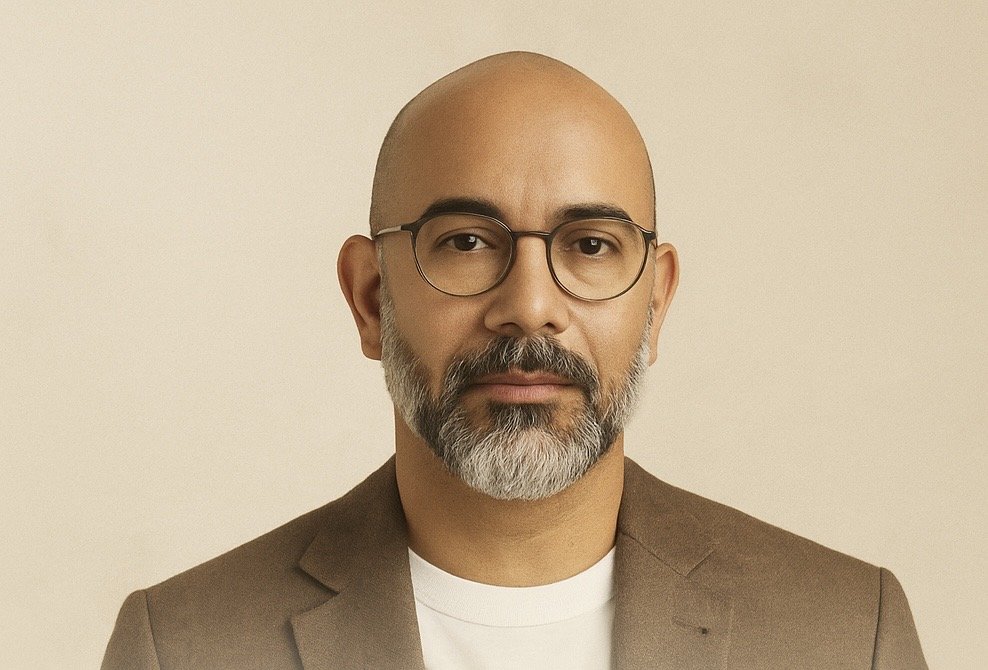
By Dr. Wil Rodriguez

We live in a culture obsessed with quick fixes and instant solutions. When someone hurts us, well-meaning friends often rush to offer advice: “Just forgive and forget.” “Let it go.” “Move on.”
But what if I told you that this conventional wisdom might be doing more harm than good? What if the very act of trying to erase our memories is preventing us from experiencing true healing?
The truth is this:
Forgiveness does not erase memory—and it shouldn’t.
The Story of Maria’s Garden
Let me share a story that changed how I think about forgiveness forever.
Maria was a woman in her sixties who came to see me after her adult son had stolen her life savings to fuel his gambling addiction. The betrayal cut deep—not just because of the money, but because of the trust that had been shattered.
“Doctor,” she said during one of our sessions, “everyone tells me I need to forgive him and forget what happened. They say I’m holding onto bitterness. But every time I try to forget, it feels like I’m betraying myself.”
Maria’s struggle isn’t unique. How many of us have been told that true forgiveness requires amnesia? That if we still remember the hurt, we haven’t really forgiven?
The breakthrough came when Maria started thinking about her garden…
“I could have pretended that winter never happened. I could have planted the same delicate flowers in the same spots. But that would have been foolish. Instead, I remembered what the winter taught me. I chose hardier plants, improved my soil, built better protection.”
Maria’s garden flourished—not because she forgot the harsh winter, but because she remembered it and learned from it.
The same principle applied to her relationship with her son. Forgiveness didn’t mean pretending the betrayal never happened. It meant releasing her anger while retaining the wisdom the experience taught her.
The Neuroscience of Memory and Healing
Here’s what science tells us about memory and forgiveness: our brains are designed to remember experiences—especially painful ones—as a survival mechanism. When we try to force ourselves to forget, we’re fighting against our own neurological wiring.
Research shows that healthy forgiveness involves three key components:
Acknowledgment – Recognizing the hurt that occurred
Processing – Working through the emotions surrounding the experience
Choice – Consciously deciding to release resentment while retaining wisdom
Notice: Forgetting is not part of this process.
Trying to forget can actually interfere with genuine healing.
The Difference Between Remembering and Ruminating
There’s a crucial distinction to make:
Remembering means acknowledging what happened, learning from it, and using that knowledge to make healthier choices. It’s constructive and forward-focused.
Ruminating means getting stuck in endless loops of anger, replaying the hurt repeatedly without movement toward healing. It’s destructive and keeps us trapped in the past.
The goal isn’t to forget—it’s to remember without being controlled by the memory.
Why Memory Serves Forgiveness
When we allow ourselves to remember while choosing to forgive, powerful things happen:
We honor our experience.
Memory validates our pain and the lessons we’ve learned.
We maintain healthy boundaries.
Forgiveness without memory often leads to repeated harm.
We develop genuine compassion.
Forgiveness with memory is deeper and more robust than surface-level “forgetting.”
We become wiser.
Processed experiences become sources of strength and insight.
The Path Forward
If you’re struggling with forgiveness—toward someone else or yourself—it’s okay to remember. In fact, it’s essential.
This is what healthy forgiveness sounds like:
“I remember what you did, and I choose to release my anger toward you.”
“I won’t let this experience define me, but I will let it inform me.”
“I can love you and protect myself at the same time.”
“I’m choosing peace over resentment, wisdom over naivety.”
This kind of forgiveness takes time. It requires patience and often professional support. It’s not about becoming a doormat or pretending everything is fine.
It’s about becoming stronger, wiser, and more authentically you.
Your Journey Starts Now
As you reflect on your own experiences with hurt and forgiveness, consider this:
What if your memories aren’t obstacles to overcome, but teachers to embrace?
What if the very experiences that caused you pain could become sources of your greatest strength?
The journey toward healthy forgiveness isn’t about erasing your story—it’s about rewriting your relationship with it.
You can acknowledge the winter while still believing in spring.
You can remember the storm while choosing to dance in the sunshine that follows.
Your pain has purpose. Your memory has meaning. Your forgiveness can be both complete and wise.
What’s your next step toward healing?
If this post resonated with you, please share it with someone who might need to hear this message. Sometimes the most powerful gift we can give is the permission to remember and heal at the same time.
🔗 Tags:



Comments