


Columbus Day 2026: Why One Holiday Now Comes With Two Very Different Views

Columbus Day used to be the kind of holiday that arrived with a parade, a government office closure, and at least one person asking, “Wait, is mail coming today?” Now it arrives carrying a debate, a history lesson, a civic identity quiz, and possibly a group chat argument with an uncle named Tony.
Columbus Day 2026 falls on Monday, October 12. In many places, that same date will also be observed as Indigenous Peoples Day. Same square on the calendar, two very different meanings. It is the holiday equivalent of one subway seat being claimed by two people who both have a point.
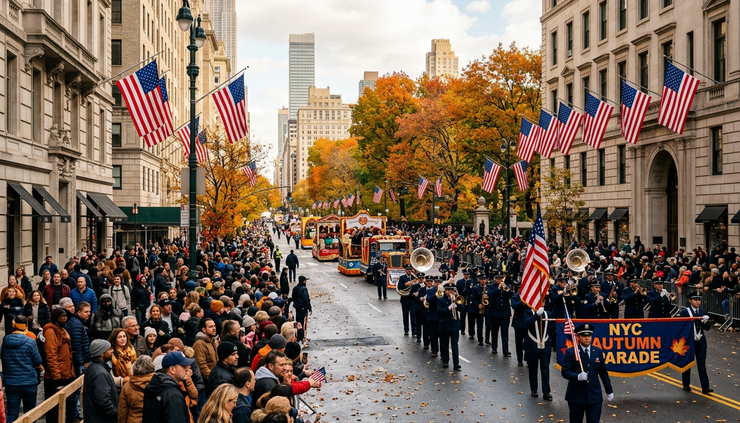
Columbus Day 2026: One date now has two public memories
For some Americans, Columbus Day marks Christopher Columbus’s 1492 voyage across the Atlantic and the start of lasting contact between Europe and the Americas. For others, that same event marks the beginning of colonization, forced displacement, violence, disease, and generations of harm for Native American communities.
That is why many states, cities, universities, and school districts now recognize Indigenous Peoples Day instead of, or alongside, Columbus Day. The idea is not just to swap one nameplate for another, though America does love a good nameplate fight. It is to shift attention toward the people who were already here, with governments, cultures, languages, traditions, and land stewardship practices long before European ships entered the chat.
The dual observance can feel awkward because it asks the public to hold two things at once:
Columbus Day can represent immigration, exploration, and pride for some communities.
The old story celebrated discovery.
Indigenous Peoples Day honors Native survival, sovereignty, and historical truth.
The newer story asks, “Discovered by whom, exactly?”
That question matters. If someone “discovers” your apartment while you are sitting on the couch eating pretzels, the correct term is not discovery. It is trespassing with confidence.
Columbus was not just a guy with a boat
Christopher Columbus was an Italian navigator sailing under the Spanish crown. His 1492 voyage connected worlds in ways that changed history. That part is true. It is also incomplete, like describing Times Square as “a place with lights” and leaving out the Elmo costumes.
Columbus’s expeditions opened the door to European colonization in the Caribbean and beyond. The consequences for Indigenous peoples were devastating. Native communities faced disease, enslavement, warfare, land seizure, religious coercion, and political destruction. These were not side effects hidden in tiny print. They reshaped entire continents.
The Christopher Columbus legacy is complicated because he became a symbol long after his lifetime. The man and the myth are not the same thing. Columbus the historical figure made choices that harmed Indigenous people. Columbus the symbol became attached to ideas of courage, immigration, and ethnic pride, especially in the United States.
That gap between history and symbol is where the national argument lives. It is less “Was Columbus important?” and more “What exactly are we choosing to honor?”
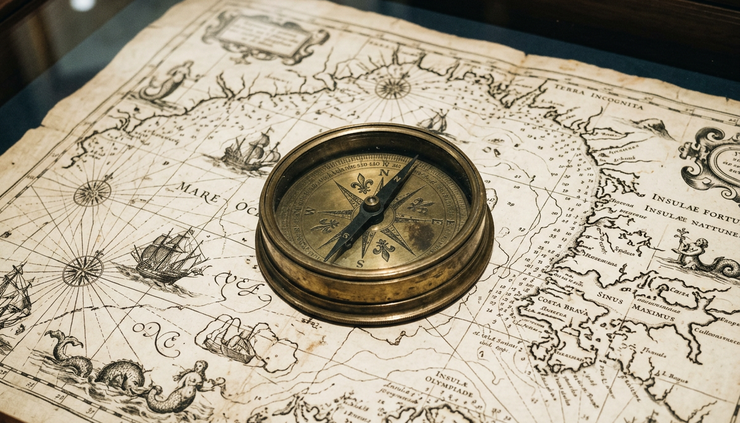
Why Columbus still matters to many Italian Americans
For many Italian Americans, Columbus Day has never been only about one explorer. It became a public celebration of belonging.
In the late 19th and early 20th centuries, Italian immigrants in the U.S. faced discrimination, stereotypes, and violence. Columbus, an Italian-born figure already famous in American civic myth, became a way to say, “We belong in this country’s story too.” In cities like New York, Columbus Day parades grew into celebrations of family, food, faith, music, and Italian American heritage.
That emotional history is real. So is the pain Native communities feel when Columbus is honored without context. The challenge is that symbols do not sit quietly on shelves. They wander into public squares wearing tap shoes.
Some Italian Americans support keeping Columbus Day. Others support replacing it, renaming it, or reframing it as a broader celebration of Italian American contributions without centering Columbus himself. That range of opinion often gets flattened into a shouting match, because apparently modern politics looked at nuance and said, “No thanks, I’m full.”
A more useful approach separates appreciation for Italian American history from the idea that Columbus must be the only vessel for that pride. Italian American culture has no shortage of candidates: artists, workers, judges, teachers, organizers, small-business owners, public servants, chefs, and grandparents who believe you are dangerously underfed.
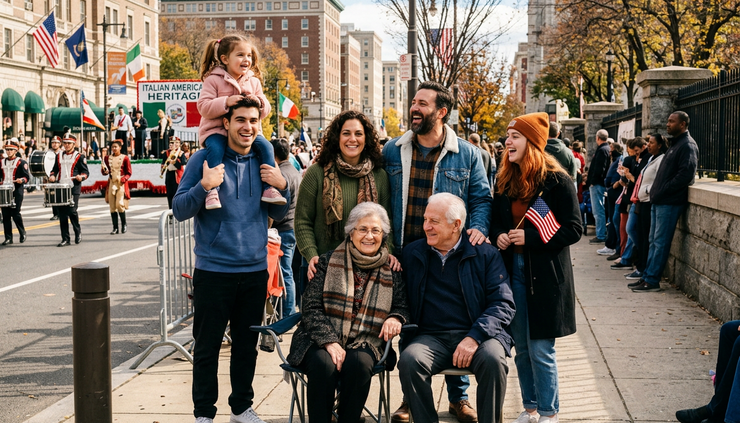
The politics are loud because the question is bigger than a day off
The Columbus Day controversy keeps returning because holidays are not just dates. They are official memory. They tell people what a society chooses to celebrate, mourn, or reconsider.
In recent years, presidents have issued proclamations recognizing both Columbus Day and Indigenous Peoples Day. Some states still observe Columbus Day as a legal holiday. Others have adopted Indigenous Peoples Day. Some mark both, which is either a thoughtful compromise or a calendar trying to avoid eye contact.
Public sentiment is mixed. Many Americans support honoring Indigenous peoples more visibly. Many also feel attached to long-standing ethnic and civic traditions. Online discussion, including Columbus Day trends on X, tends to turn this into a speed-eating contest for outrage. The most extreme posts often travel fastest, possibly because moderation is not as aerodynamic.
But away from the loudest corners of the internet, the conversation is often more practical:
How should schools teach 1492?
Should cities rename the holiday?
Can Italian American pride be celebrated without ignoring Indigenous suffering?
What do Native communities want recognized beyond one symbolic day?
How do public holidays help, or fail, to repair historical harm?
Those are better questions than “Which side wins?” History is not a dodgeball game, though cable news sometimes treats it like one.
What the holiday can do in 2026
Indigenous Peoples Day 2026 offers a chance to focus on Native nations as living communities, not as a chapter that ends before the Industrial Revolution. That means learning about sovereignty, treaty rights, language revitalization, land acknowledgments that lead to action, and local Native history.
In New York, that includes recognizing the Lenape and other Native peoples connected to the region, not just treating Indigenous history as something that happened “out west” next to a tumbleweed and a dramatic movie soundtrack.
Columbus Day, for those who continue to observe it, can also be handled with more honesty. Celebration does not require pretending the past was spotless. If your family tree has a few questionable branches, you do not solve it by spray-painting the whole tree gold.
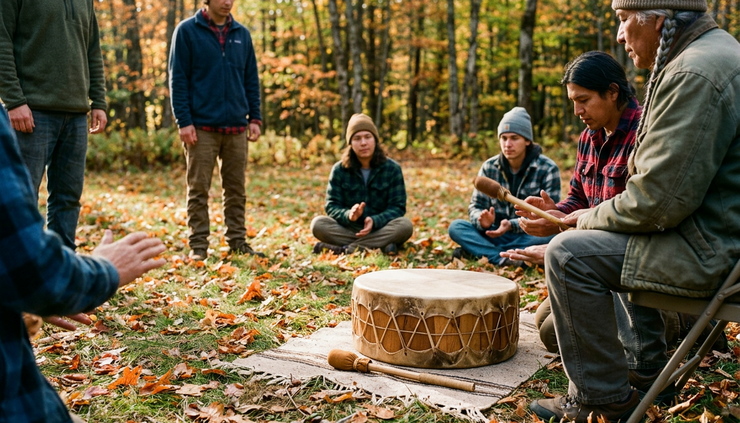
The takeaway is not simple, which is the point
Columbus Day 2026 comes with two very different views because the country is still deciding how to tell the truth about itself. One view remembers immigrant pride and a familiar civic tradition. The other asks the country to face the cost of colonization and honor the Native peoples who endured it.
A mature society can do more than pick a mascot and boo the other team. It can remember with honesty, celebrate with care, and admit that history is rarely as tidy as a three-day weekend.
The calendar gives October 12 one box. People bring many stories to it. The least we can do is read more than one.


If you have an opinion, feel free to comment! 😀